
The Golden Nugget: That 16-ounce bottle of Brisk you grabbed at the convenience store contains 46 grams of sugar (more than 11 teaspoons) and delivers 180 calories with zero nutritional benefit. If you drink one daily, you’re consuming 16,790 empty calories per year, equivalent to gaining nearly 5 pounds of body fat, assuming you don’t compensate elsewhere. The smarter play: understand exactly what you’re drinking, know the biological impact on your system, and make an informed swap that saves your pancreas from working overtime.
The Complete Brisk Nutrition Breakdown: What’s Really in That Bottle
| Nutrient | Per 16 oz Bottle | % Daily Value | What This Actually Means for Your Body |
|---|---|---|---|
| Calories | 180 | 9% | Provides energy with zero nutrients; equivalent to eating 12 Oreo cookies’ worth of empty calories |
| Total Sugar | 46g | 92% | Nearly double the American Heart Association’s daily limit (25g for women, 36g for men) |
| Added Sugar | 46g | 92% | 100% of the sugar is added (not naturally occurring); triggers insulin spike within 10 minutes |
| Total Carbohydrates | 46g | 17% | All carbs come from sugar; zero complex carbohydrates or fiber to slow absorption |
| Protein | 0g | 0% | Provides no muscle-building or satiety benefits |
| Fat | 0g | 0% | No healthy fats to support hormone production or nutrient absorption |
| Sodium | 80-100mg | 3-4% | Moderate amount; adds to daily intake if you’re managing blood pressure |
| Caffeine | 16mg | N/A | Roughly 1/6 the caffeine of an 8oz coffee; minimal stimulant effect |
| Vitamin C | 0mg | 0% | No vitamins despite tea’s potential for natural antioxidants |
| Calcium | 0mg | 0% | No minerals; complete nutritional void beyond sugar and calories |
| Potassium | 10mg | <1% | Trace amounts; provides no meaningful electrolyte benefit |
Critical comparison point: One 16-ounce Brisk contains the same sugar as 3.5 glazed Krispy Kreme donuts, but at least the donuts provide some fat to slow sugar absorption. The liquid form of Brisk means that sugar hits your bloodstream even faster, creating a more dramatic insulin response.
What Actually Happens Inside Your Body When You Drink a Brisk
Let’s walk through the first 60 minutes after you crack open that cold bottle.
Minute 0-10: The Sugar Spike. The moment that sweet liquid hits your tongue, your taste buds send a signal to your brain’s reward center, releasing a small burst of dopamine. This is the same neurochemical that fires when you accomplish something meaningful, but in this case, it’s just high-fructose corn syrup doing its job. Within 10 minutes, those 46 grams of sugar enter your bloodstream faster than if you’d eaten the equivalent in whole fruit, because there’s zero fiber to slow absorption. Think of fiber like a speed bump on a residential street. Without it, sugar races through your digestive highway at full speed.
Minute 10-30: Your Pancreas Goes to Work. Your blood sugar level spikes from around 90 mg/dL (normal) to potentially 140-160 mg/dL. Your pancreas detects this surge and releases insulin, a hormone that acts like a key unlocking your cells so glucose can enter and provide energy. But here’s the problem: you just consumed more sugar than your body needs for immediate energy. Your muscles and liver can only store so much glycogen (about 400-500 grams total), so the excess gets converted into triglycerides and stored as body fat. This process happens in your liver, which essentially acts like a bank that converts your sugar “cash” into fat “savings accounts” you didn’t want to open.
Minute 30-60: The Crash Begins. All that insulin your pancreas released does its job too well. Your blood sugar drops, sometimes falling below your baseline. This is when you feel that familiar afternoon slump, brain fog, or sudden craving for another sweet drink. Your body is now on a blood sugar roller coaster, and the only way it knows to get back up is to consume more sugar. This cycle is why one Brisk often leads to wanting another, or reaching for a snack you weren’t actually hungry for.
The weekly impact adds up faster than you think. Seven Brisk iced teas per week means 322 grams of sugar (more than two-thirds of a pound of pure sugar) and 1,260 calories from a beverage that provides zero protein, zero healthy fats, zero vitamins, and zero minerals. Your body treats this exactly like you dissolved 92 sugar packets in water and drank them throughout the week.
The Myth Everyone Believes: “At Least It’s Tea, So There’s Antioxidants”
Here’s the common mistake that costs people their health goals: assuming that because Brisk contains tea, it carries the benefits of actual brewed tea.
The reality is far different. Brisk iced tea starts with tea, yes, but the manufacturing process strips away most beneficial compounds. Real brewed tea contains catechins, particularly EGCG (epigallocatechin gallate), which acts in your body like a cleanup crew, neutralizing free radicals that damage your cells. Fresh-brewed green tea can contain 50-100 mg of catechins per 8-ounce serving. A typical Brisk iced tea? You’re looking at trace amounts, potentially less than 5 mg per serving, because the tea extract is diluted, processed with heat, and then stored for months before you drink it.
Here’s why the sugar completely cancels any remaining benefits. Even if some antioxidants survived the manufacturing process, the inflammatory response your body mounts against that 46-gram sugar bomb overwhelms any positive effects. Inflammation in your body works like a fire alarm system: a little bit keeps you safe from real threats like infections, but chronic inflammation from repeated sugar intake damages your blood vessels, contributes to insulin resistance, and accelerates aging at the cellular level.
The science is clear: a 2019 study in the American Journal of Clinical Nutrition found that sugar-sweetened beverages increase inflammatory markers like C-reactive protein within just 30 minutes of consumption. This inflammation persists for hours. Compare this to unsweetened brewed tea, which actually reduces these same inflammatory markers. You’re not getting tea benefits from Brisk. You’re getting sugar consequences with tea flavoring.
The mental trick companies use is simple: they put “tea” on the label, and your brain files it under “healthier choices” next to actual tea. But comparing Brisk to home-brewed tea is like comparing a candy bar to an apple because they both grew from plants. Technically true, functionally misleading.
The Real Cost: What You’re Actually Paying Per Sugar Gram
Let’s translate those nutrition facts into your wallet and your health budget, because both matter.
The financial calculation is straightforward. A 16-ounce Brisk typically costs $1.50 to $2.00 at convenience stores. That’s roughly $0.03 to $0.04 per gram of sugar. You’re essentially paying $3.25 to $4.35 per pound of sugar delivery, which is about 8-10 times more expensive than buying a bag of sugar at the grocery store. But you’re not just buying sugar, you’re buying convenience and flavor.
The health cost calculation reveals the hidden expense. Research from the Harvard T.H. Chan School of Public Health estimates that one daily sugar-sweetened beverage increases your lifetime diabetes risk by 26%. The average lifetime cost of managing type 2 diabetes in the United States exceeds $180,000 in direct medical expenses. That Brisk habit, extrapolated over years, carries a potential six-figure health bill.
Break it down weekly: 7 Brisk bottles at $1.75 each equals $12.25 per week, $637 annually, or $6,370 over ten years. For that same $637 per year, you could buy premium organic loose-leaf tea ($20 per pound, lasting 2-3 months) and a quality iced tea maker ($40), covering your entire year’s supply for about $120. You’d save $517 annually while eliminating 16,790 empty calories.
The productivity cost is harder to quantify but just as real. Every blood sugar spike and crash costs you focus, decision-making capacity, and sustained energy. Studies on cognitive performance show that blood glucose variability, the ups and downs from high-sugar foods and drinks, reduces working memory, attention span, and task completion rates. If you’re drinking Brisk during your workday, you’re potentially reducing your productive hours by 30-60 minutes daily, just from the cognitive impact of unstable blood sugar.
The comparison to alternatives makes the value proposition even clearer: unsweetened iced tea costs roughly $0.15 per 16-ounce serving when brewed at home, delivers actual antioxidants, has zero sugar, zero calories, and keeps your blood sugar stable. You’re paying 10 times more for Brisk to get a product that works against your body instead of with it.
How Someone Who Actually Studies Nutrition Uses Iced Tea: The Daily Protocol
If you’re going to drink iced tea regularly, here’s exactly how to do it in a way that supports your body instead of sabotaging it.
Morning Timing: 7-9 AM, After Breakfast. Your cortisol (stress hormone) peaks naturally around 8 AM, which already elevates your blood sugar slightly. Drinking unsweetened green or black tea during this window gives you a gentle caffeine boost (about 40-70 mg per cup, compared to 95 mg in coffee) without adding sugar when your blood sugar is already elevated. The polyphenols in real tea also help improve insulin sensitivity, essentially making your cells more responsive to the insulin signal, like making your car key work smoothly instead of sticking in the lock.
The Temperature Sweet Spot: 175-185°F for Brewing, Then Ice. Boiling water (212°F) scalds tea leaves and creates bitter compounds (tannins) that make people reach for sugar to mask the taste. Water between 175-185°F extracts the beneficial catechins and L-theanine (an amino acid that promotes calm focus) without the harsh bitterness. Brew for 3-4 minutes, then pour over ice. This method preserves flavor and nutrition. Think of it like cooking vegetables: too much heat destroys nutrients, the right temperature preserves them.
The Flavor Enhancement Strategy: Citrus and Cinnamon. A squeeze of fresh lemon (about 1 tablespoon of juice) adds only 1 gram of natural sugar but increases your absorption of tea catechins by up to 80%, according to Purdue University research. The vitamin C in lemon stabilizes these antioxidants in your digestive system. A quarter-teaspoon of cinnamon adds zero calories but provides a sweet perception on your palate and helps regulate blood sugar by slowing the breakdown of carbohydrates in your small intestine. You’re essentially tricking your taste buds into experiencing sweetness while supporting stable energy.
The Pre-Exercise Window: 30 Minutes Before Movement. Drinking 16 ounces of unsweetened tea 30 minutes before exercise has been shown to increase fat oxidation (your body’s ability to burn stored fat for energy) by 17% compared to exercise alone. The caffeine mobilizes fatty acids from your fat tissue, making them available for energy, while the catechins improve your muscles’ ability to use those fats. This is particularly effective for moderate-intensity activities like brisk walking, cycling, or swimming.
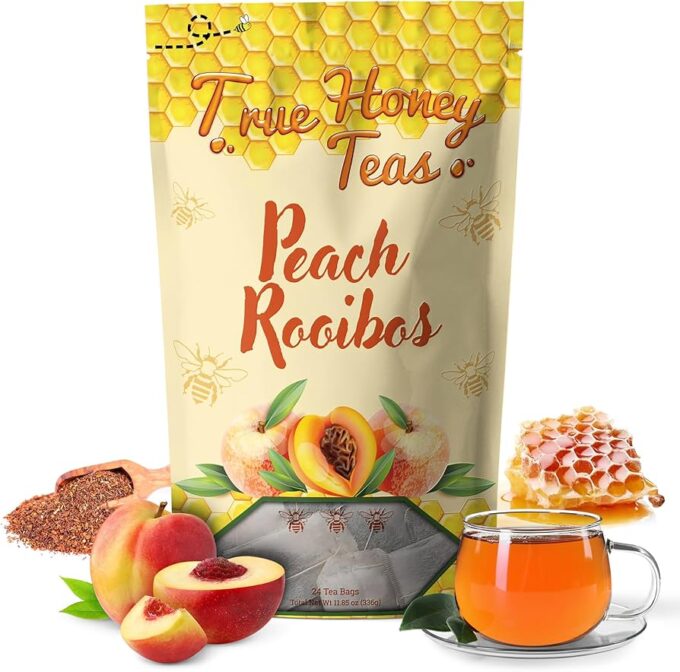
The Evening Alternative: Rooibos or Herbal Iced Tea (Caffeine-Free). After 2 PM, switch to naturally caffeine-free options like rooibos (red tea), which contains aspalathin, a unique antioxidant that helps regulate blood sugar and has mild anti-anxiety effects. Brew it the same way as regular tea, chill it, and you have a satisfying evening drink that won’t interfere with sleep. The ritual of having a cold, flavorful beverage remains, but you’ve removed the stimulant that could keep you awake.
Advanced move for serious tea drinkers: Cold brew overnight. Place 4 tablespoons of loose-leaf tea in a pitcher with 32 ounces of cold water, refrigerate for 8-12 hours, then strain. This method produces a naturally sweeter, less bitter tea because cold water extracts fewer tannins. The result needs zero sweetener and provides maximum antioxidant retention. You make it before bed, wake up to ready-to-drink iced tea, and the weekly cost is about $3.50 for premium organic tea.
What’s Actually Changing in 2026: The Iced Tea Market Shift You Should Know About
The beverage industry is responding to consumers who want the convenience of bottled iced tea without the sugar penalty, and the new options hitting shelves right now are worth understanding.
Smart brewing technology has entered the mainstream. Companies like Hario and Breville now offer app-connected tea makers (priced around $80-120) that let you schedule exact brewing temperatures and times from your phone. You can set your tea to brew at 6 AM while you’re still in bed, automatically chill after steeping, and have fresh iced tea ready when you walk into the kitchen. The cost-per-cup drops to roughly $0.12, and you control every ingredient. This isn’t science fiction, it’s available on Amazon today.
The zero-sugar bottled revolution is expanding beyond niche brands. Major players including Gold Peak and Pure Leaf now offer unsweetened varieties in most convenience stores, not just health food shops. Pure Leaf Unsweetened Black Tea contains zero sugar, zero calories, delivers about 45 mg of caffeine per 16-ounce bottle, and costs roughly the same $1.75 as regular Brisk. The only difference is your choice at the cooler door. The industry has finally made the healthy option just as convenient as the sugary one.
Certification standards are getting stricter, giving you better quality assurance. The USDA Organic seal on tea now requires testing for over 900 potential contaminants, and new blockchain tracking lets you scan a QR code on premium tea packages to see exactly which farm and harvest date your tea came from. This transparency shift means when you buy organic tea in 2026, you’re getting verified quality that wasn’t guaranteed even three years ago.
Functional tea blends are moving beyond gimmicks into evidence-based formulations. You’ll see bottled iced teas combining traditional tea with adaptogenic mushrooms (like lion’s mane for focus or reishi for stress management), but the legitimate brands now publish third-party testing results showing actual compound concentrations. Look for brands that list milligrams of active ingredients, not just “proprietary blends.” The difference is like comparing a nutrition label that says “contains vitamins” versus one that specifies “15 mg of vitamin C per serving.”
The biggest shift: consumers are demanding proof, not just marketing claims. The Federal Trade Commission has increased scrutiny on beverage health claims, resulting in more accurate labeling and less deceptive advertising. When a bottle says “antioxidant-rich” in 2026, brands now must substantiate that claim with specific ORAC (Oxygen Radical Absorbance Capacity) scores or face penalties.
Your Simple-English Questions, Answered
Will Brisk iced tea make me gain weight even if I work out regularly?
Yes, if the 180 calories per bottle exceed your daily caloric needs. Exercise doesn’t cancel out excess calories, it just increases the total number of calories your body can process without storage. If you burn 2,200 calories daily and consume 2,380 (including that Brisk), you’ll gain approximately one pound every 18 days regardless of your workout routine. The sugar also triggers insulin response that preferentially stores energy as fat rather than making it available for muscle recovery, essentially working against your fitness goals.
Does the caffeine in Brisk help with my afternoon energy slump?
Temporarily, yes, but it’s treating a symptom you’re partly creating. Brisk contains about 8 mg of caffeine per 8 ounces (roughly 16 mg per bottle), which is minimal compared to coffee’s 95 mg. The perceived energy boost comes mostly from the sugar spike, not caffeine. That afternoon slump is often caused by the blood sugar crash from lunch or previous sugary drinks. You’re essentially using Brisk to fix a problem that Brisk (or similar sugar-sweetened drinks) helped create. Switching to unsweetened iced tea with 40-70 mg of natural caffeine and zero sugar provides sustained energy without the crash cycle.
Is Brisk safer than soda since it has tea in it?
Not meaningfully. Both deliver similar sugar quantities (Brisk has 46g, Coca-Cola has 39g per 12-ounce serving) with minimal nutritional value. The trace amounts of tea compounds in Brisk are overwhelmed by the metabolic impact of the sugar. Your liver processes both drinks almost identically: extract the sugar, spike insulin, store excess as fat, trigger inflammation. The “tea” in the name is a marketing distinction, not a health distinction.
Can I drink Brisk if I’m trying to manage my blood sugar or pre-diabetes?
This is strongly inadvisable. The American Diabetes Association specifically recommends avoiding sugar-sweetened beverages for anyone with diabetes, pre-diabetes, or metabolic syndrome. That 46 grams of sugar will spike your blood glucose rapidly, forcing your already-stressed pancreas to produce excess insulin. Over time, this pattern accelerates the progression from pre-diabetes to type 2 diabetes. Unsweetened alternatives provide hydration and flavor without glucose impact.
What’s the best time of day to drink iced tea if I’m switching from Brisk to unsweetened?
Start with your existing Brisk habit times, but use unsweetened tea instead. If you typically drink Brisk at lunch, swap in unsweetened tea at lunch. This maintains your routine while eliminating the sugar. The transition is easier when you keep the ritual (cold, refreshing drink at 12:30 PM) but change the contents. Most people adapt to unsweetened tea’s taste within 5-7 days as their palate adjusts away from the extreme sweetness. Adding lemon or a splash of unsweetened almond milk can ease this transition.
Will drinking a Brisk mess up my medication or interact with my blood pressure pills?
The sugar content can interfere with blood sugar medications like metformin by creating larger glucose fluctuations. The minimal caffeine (16 mg per bottle) is unlikely to significantly affect blood pressure medications, but the sodium content (approximately 80-100 mg per bottle) adds to your daily intake. If you’re on diuretics or managing hypertension, those extra 100 mg of sodium across multiple bottles weekly work against your medication’s goals. Always check with your healthcare provider, but generally, the sugar is the bigger medication interaction concern than the tea components.
How long will it take my body to adjust if I quit Brisk cold turkey?
The physical sugar cravings typically peak around day 3-4 and substantially decrease by day 10-14. Your taste buds regenerate completely every 10-14 days, so unsweetened options that taste bland initially will taste fuller and more complex after two weeks. The energy level fluctuations (if you were experiencing sugar-driven crashes) stabilize within 5-7 days as your blood sugar regulation normalizes. Mental habits (reaching for a Brisk when you’re stressed or bored) take longer to rewire, usually 3-4 weeks to establish a new automatic pattern. The key is replacing, not eliminating: have unsweetened iced tea ready so you’re not white-knuckling through cravings with nothing to drink.








Leave a comment