
Chamomile, green, lemon balm, lavender, and passionflower teas are ideal for calming anxiety.
Anxiety can take a toll on both your mind and body, often leaving you feeling drained and overwhelmed. Countless remedies offer to alleviate these feelings, yet few match the soothing simplicity of a warm cup of tea. In this guide, we explore five of the best teas for anxiety that promise immediate calmness and tranquility. With each carefully selected blend, you’ll find a natural pathway to ease your mind and restore balance. Let’s dive into how these herbal infusions work to ease anxiety and offer a serene escape from the chaos of daily life.
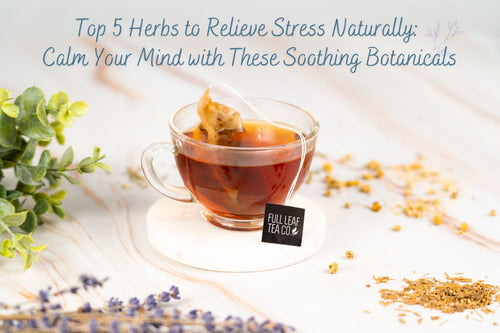
Chamomile Tea
Chamomile tea is known for its calming effects, often used as a natural sleep aid. The tea contains an antioxidant called apigenin, which binds to receptors in your brain, promoting relaxation and reducing anxiety. Its mild, floral flavor makes it a comforting choice at any time of the day.
- Benefits: Helps with sleep, reduces restlessness, and improves mood.
- How to Prepare: Steep chamomile flowers in hot water for 5-10 minutes.
- Limitations: May cause allergic reactions in people sensitive to ragweed.
My own experience with chamomile tea goes back to stressful finals in college, where a nightly cup became a ritual that helped me unwind and improve sleep quality.
Green Tea
Green tea contains L-theanine, an amino acid that has been shown to reduce anxiety and promote relaxation without drowsiness. The gentle infusion energizes while simultaneously calming the nerves.
- Benefits: Enhances concentration, boosts mood, and reduces anxiety levels.
- How to Prepare: Brew green tea leaves in hot water for 3-4 minutes.
- Limitations: Contains caffeine; moderate consumption is advised.
In moments of midday slump, I find green tea to be the perfect pick-me-up without the jitters, balancing energy with a sense of calm.
Lemon Balm Tea
Lemon balm is a member of the mint family, known for its fresh taste and soothing properties. Studies suggest it can help reduce anxiety symptoms and improve cognitive function.
- Benefits: Calms the mind, aids digestion, and boosts cognitive function.
- How to Prepare: Steep lemon balm leaves in hot water for 5-10 minutes.
- Limitations: Overconsumption may lead to dizziness or nausea.
Lemon balm tea has been my go-to during work deadlines, offering the mental clarity needed to focus while staying relaxed.
Lavender Tea
Lavender tea is famous for its aromatic scent and calming effects. It’s widely used in aromatherapy and as an herbal remedy for anxiety and stress.
- Benefits: Reduces anxiety, promotes sleep, and eases stress.
- How to Prepare: Brew lavender flowers in hot water for 5 minutes.
- Limitations: May cause headaches if consumed in large quantities.
On particularly stressful days, I find a cup of lavender tea paired with a warm bath to be an unmatched relaxation ritual.
Passionflower Tea
Passionflower is celebrated for its tranquilizing effects. It’s known to increase gamma-aminobutyric acid (GABA) in the brain, helping to reduce anxiety.
- Benefits: Alleviates anxiety, improves sleep quality, and calms the mind.
- How to Prepare: Steep passionflower in boiling water for 5-10 minutes.
- Limitations: May cause drowsiness, avoid operating machinery post-consumption.
I’ve relied on passionflower tea during times of intense workload to wind down and ensure a restful night’s sleep.

Frequently Asked Questions
What is the best time to drink these teas?
Most of these teas can be enjoyed at any time of the day. Chamomile and passionflower are particularly effective in the evening due to their calming properties.
Can I mix these teas together?
Yes, blending these teas can create unique flavors and enhance their combined calming effects. Ensure compatibility if you have any allergies.
Are these teas safe for everyone?
While generally safe, people with specific allergies or health conditions should consult a healthcare professional before trying new herbal teas.
How long do the effects of these teas last?
Typically, the calming effects can last from 1-3 hours, depending on the individual and amount consumed.
Can I use these teas alongside medication?
Consult a healthcare provider to ensure that blending herbal teas with medications is safe and won’t cause adverse interactions.
Conclusion
Embracing these teas can be a simple yet effective way to manage anxiety and bring peace to your routine. Each has unique flavors and benefits, offering an opportunity to find the one that best complements your needs. Begin your journey to serenity with these natural elixirs and discover the calming relief they provide. Explore further into the world of herbal remedies or share your experiences in the comments below!







Leave a comment