
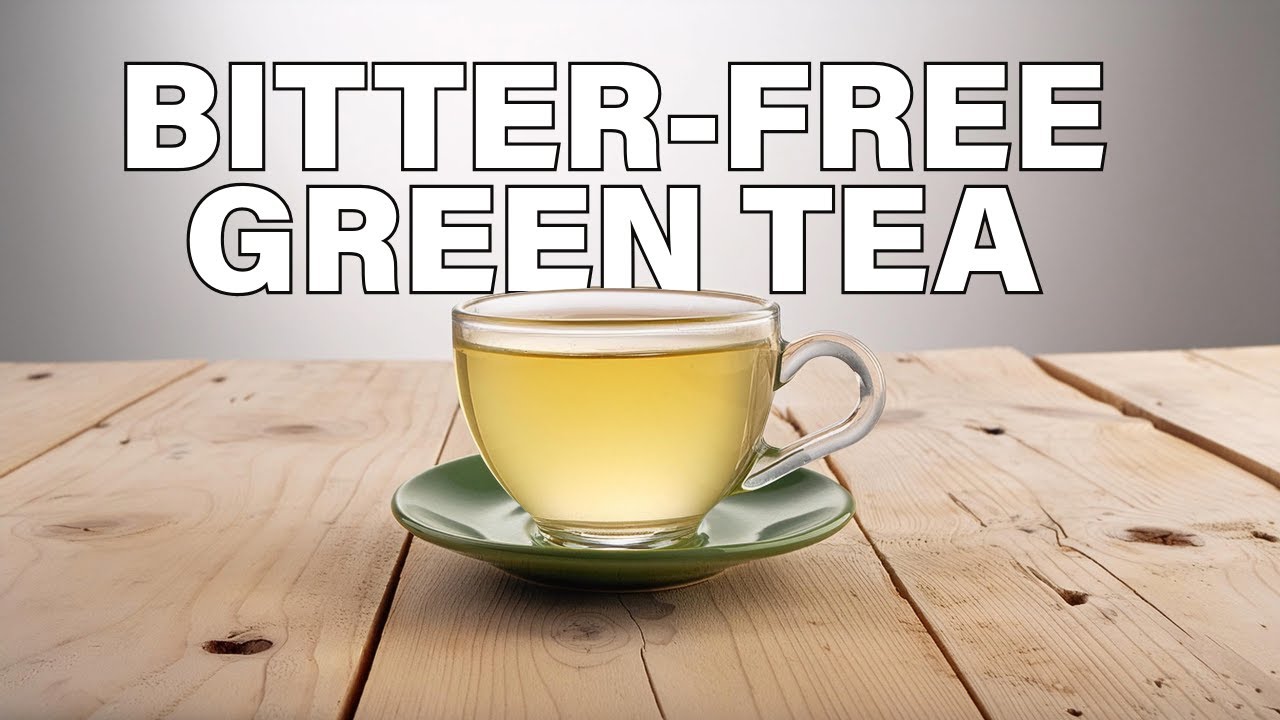
To brew green tea properly without bitterness, steep briefly at low temperatures.
Green tea’s delicate taste can be an invitation to mindfulness and gentle indulgence. Yet, achieving this subtly aromatic experience requires precision. From selecting the right tea leaves to mastering the intricacies of temperature and timing, each step plays a role in unveiling the perfect cup. Dive into this comprehensive guide to discover the art and science behind brewing green tea that delights rather than disappoints. Whether you are a seasoned tea enthusiast or a curious beginner, let's explore how to create the ideal, bitterness-free brew.
Understanding Green Tea and Its Varieties
Green tea, celebrated for its health benefits and soothing flavor, offers a world of possibilities. Key varieties include:
- Sencha: A popular Japanese green tea with a refreshing, grassy flavor.
- Matcha: A powdered form of green tea known for its vibrant color and rich taste.
- Longjing (Dragon Well): A Chinese green tea that is famous for its smooth, sweet finish.
Each variety has unique characteristics and requires specific brewing methods to enhance its flavor profile.
The Fundamentals of Brewing Green Tea
Achieving a perfect cup of green tea involves attention to detail. Follow these essential steps:
- Select Quality Leaves: Choose fresh, high-quality tea leaves from a trusted source.
- Measure Correctly: Use approximately one teaspoon of leaves per cup.
- Water Temperature: Aim for a temperature between 160-180°F (70-80°C).
- Steep Time: Keep the steeping time short, around 2-3 minutes.
Avoiding high temperatures and extended brewing times prevents the release of tannins, which can cause bitterness.
Tips for a Balanced, Bitterness-Free Brew
- Rinse the Leaves: A quick rinse with hot water can reduce astringency.
- Use Filtered Water: Ensures a purer taste and accurate temperature control.
- Control Brewing Environment: Maintain consistency with a temperature-controlled kettle.
- Experiment and Adjust: Tailor brewing time and leaf quantity to your taste preference.
Exploring the Health Benefits
Green tea is rich in antioxidants, such as catechins, which promote heart health and weight management. Regular consumption can also enhance mental alertness and overall well-being. To fully enjoy these benefits, focus on preparing your brew correctly.
Common Mistakes to Avoid
- Oversteeping: Leads to bitterness and loss of delicate flavors.
- Using Boiling Water: Scalds the leaves, destroying subtle notes.
- Improper Storage: Always store in an airtight container away from direct sunlight and moisture.
These pitfalls can be avoided through mindful preparation and attention to detail.
Frequently Asked Questions of How to Brew Green Tea Properly Without Bitterness
What water temperature is best for green tea?
A temperature of 160-180°F (70-80°C) is ideal to prevent bitterness.
How long should I steep green tea?
Steep green tea for 2-3 minutes for the best flavor without bitterness.
Can I reuse green tea leaves?
Yes, most green tea leaves can be reused 2-3 times, adjusting steep time as needed.
Why does my green tea taste bitter?
Bitterness often results from high water temperature or excessive steeping time.
What type of green tea is best for beginners?
Sencha is an accessible choice for beginners due to its balanced and mild flavor.
Conclusion
Mastering the art of brewing green tea without bitterness involves attention to quality, temperature, and timing. By embracing these practices, you can unlock the soothing essence of green tea, creating a rewarding and healthful experience. Now is the time to refine your skills, delight in each sip, and share your newfound expertise. Explore more about this delightful journey by subscribing to our newsletter or sharing your thoughts in the comments below. Enjoy your perfect cup!










Leave a comment